

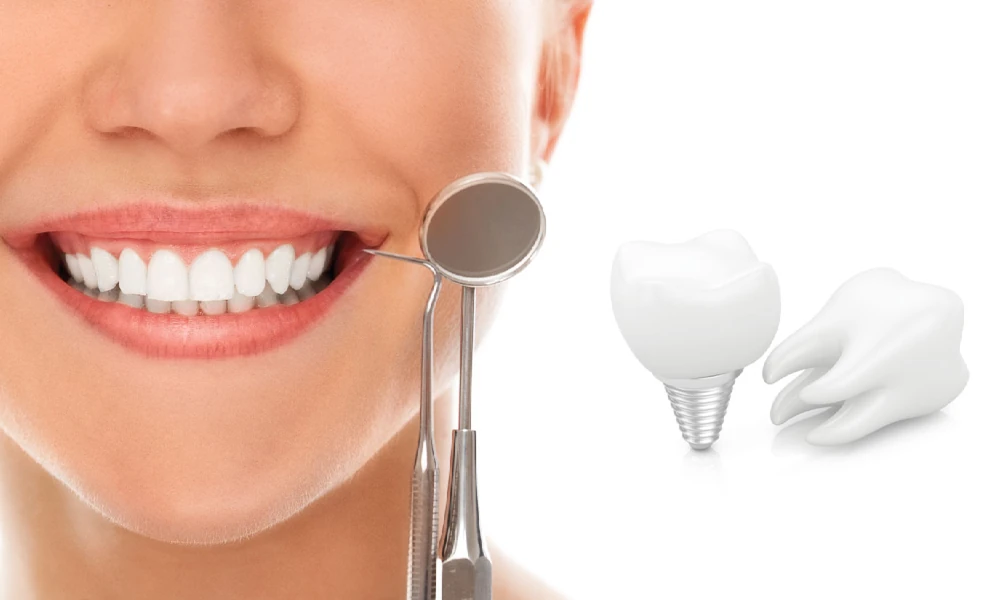
You can want whiter, straighter, more even teeth and still feel uneasy about where to start. That feeling makes sense. A lot of people look in the mirror and see chips, stains, gaps, or worn edges, then wonder if cosmetic treatment is the answer, only to hear from a dentist in Honolulu that they need fillings, gum care, or a cleaning first. That can feel frustrating, especially when you came in hoping to improve how your smile looks, not add another step.
The truth is simple. Cosmetic work lasts longer and looks better when your teeth and gums are healthy first. How Cosmetic Dentistry Builds On The Foundation Of Healthy Smiles is not just a nice phrase. It is how good dental care works. A beautiful smile depends on strong enamel, stable gums, a healthy bite, and habits that protect the results you pay for.
Healthy teeth and gums support every cosmetic dental treatment
Cosmetic changes sit on top of your current oral health. If that base is weak, the result often fails sooner than expected. Whitening can deepen sensitivity if decay is present. Veneers can look polished, but they do not stop gum disease. Bonding can repair a chipped tooth, but if you grind your teeth at night, that repair may break again.
You might be focused on one front tooth that bothers you every time you smile in photos. Your dentist may be looking at plaque buildup, bleeding gums, old fillings, or signs of clenching. That is not a detour from your goal. It is the path to getting there without wasting time and money.
Smile enhancement dentistry works best when the basics are under control. That usually means clean teeth, healthy gum tissue, no active cavities, and a bite that will not damage the new work. According to the CDC’s oral health tips for adults, daily brushing, flossing, and regular dental visits are central to preventing decay and gum disease. Those habits are not separate from cosmetic care. They are what make cosmetic care hold up.
Ignoring oral health can turn cosmetic goals into expensive repairs
People often think cosmetic concerns are surface level, but the mouth does not separate function from appearance. A small crack can become a larger fracture. Mild gum inflammation can shift the shape of your smile line. Missing teeth can change how you chew, and over time that can affect surrounding teeth and even facial balance.
Picture someone choosing whitening strips for dark stains, only to find the color still looks uneven because buildup and decay were never treated. Or someone getting veneers without addressing grinding, then seeing chips at the edges months later. The cosmetic issue returns, and now the repair is more costly.
This is where a general and cosmetic dentist brings real value. General dentistry protects your oral health. Cosmetic dentistry improves shape, color, spacing, and symmetry. Together, they create results that look natural and stay stable. The National Institutes of Health explains in its overview of oral and dental health that the mouth is tied to your overall health, including the health of your gums and supporting structures. Cosmetic treatment is strongest when that whole system is cared for.
Cosmetic dental care works best when treatment follows the right order
Most people do not need everything at once. They need the right sequence. A cleaning may come before whitening because stains can sit on plaque and tartar. A cavity may need a tooth colored filling before bonding or contouring. Gum treatment may come before veneers if the gumline is inflamed or uneven. If a tooth is weak, a crown may make more sense than a purely cosmetic fix.
Cosmetic dentistry is often the visible finish, not the first move. That does not make it less valuable. It means the result is being built to last. When your dentist talks about the health of your enamel, gums, or bite, they are protecting the appearance you want.
Professional cosmetic dentistry and quick fixes are not the same
| Approach | What It Can Help | Main Limits | Best Use |
|---|---|---|---|
| Over the counter whitening | Surface stains from coffee, tea, or smoking | Can miss deeper discoloration, may increase sensitivity, does not fix shape or damage | Minor color improvement after a dental exam |
| Professional whitening | More even, stronger shade improvement | Still requires healthy teeth and gums first | Patients with good oral health who want brighter teeth |
| Bonding | Small chips, gaps, uneven edges | Can stain or wear over time, less ideal for heavy bite pressure | Conservative cosmetic repair |
| Veneers | Shape, color, spacing, worn enamel | Needs healthy gums and careful planning, higher cost | Broader smile redesign |
| Ignoring oral health and focusing only on appearance | Short term cosmetic change | Higher risk of failure, pain, repeat treatment, and added cost | Usually a poor choice |
The table tells a familiar story. Fast fixes can help in small ways, but they do not replace diagnosis, prevention, and treatment planning. The better your oral health, the more options you usually have.
Small steps now can protect both your health and your smile goals
Schedule a full dental evaluation. If you have cosmetic concerns, ask for both a health exam and a cosmetic consultation. You want to know about cavities, gum inflammation, grinding, old dental work, and bite issues before choosing treatment.
Handle active problems first. Cleanings, fillings, gum care, and protective steps like a night guard often come before whitening, veneers, or bonding. That order helps your cosmetic results last longer and feel better.
Match the treatment to your real habits. If you drink coffee daily, clench your teeth, or miss regular cleanings, be honest about it. The best cosmetic dental plan fits your life. A modest treatment that holds up is better than a dramatic one that fails early.
A healthy smile gives cosmetic dentistry its staying power
You do not need to choose between health and appearance. The strongest results come from treating them as connected. When teeth are clean, gums are stable, and problems are addressed early, cosmetic improvements have something solid to rest on. That is what gives a smile its comfort, strength, and natural look.
If you have been putting this off because the whole process feels unclear, start with a conversation. A general and cosmetic dentist can help you build a plan that protects your oral health and improves the parts of your smile that bother you most.
