

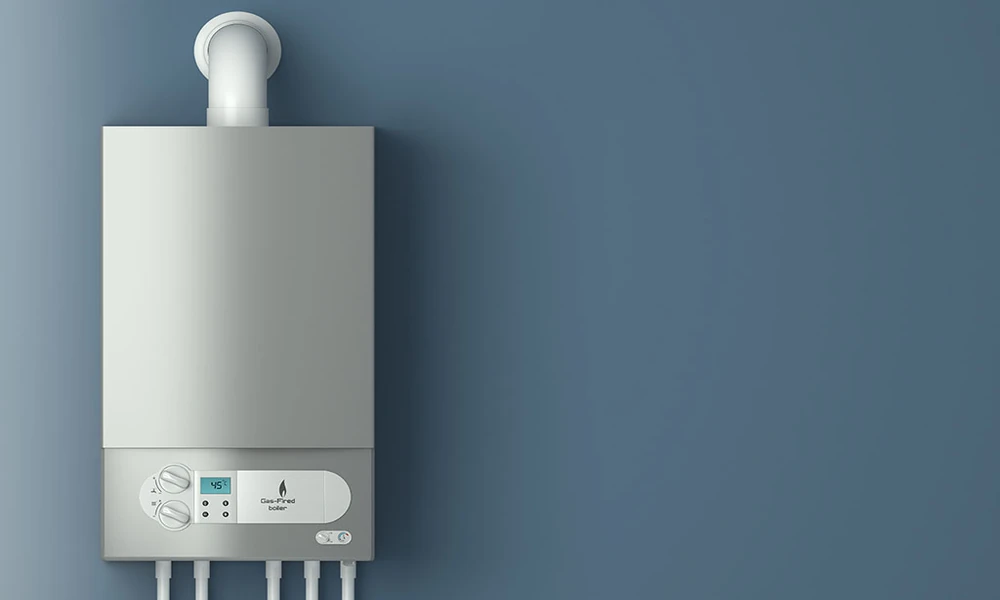
A boiler is one of the most important appliances in your home, and it is rarely a purchase you make more than once or twice in a decade. The right choice keeps your home warm, controls your running costs and avoids years of frustration. Here is what to consider before you decide.
Start With How Your Home Is Heated
Boilers heat water, which then warms your home through radiators, baseboard units or in-floor heating. Many homes in Wisconsin use a hot water or steam boiler, and the existing setup will shape your options. Working with a specialist in boiler repair and installation in Milton, WI means you get advice that suits local conditions, such as long, cold winters and older properties with established pipework.
Before you shop, note your home’s size, the number of bathrooms, the fuel you currently use and the type of heat distribution you have. These details make it far easier to compare quotes accurately.
Main Types of Boiler
Hot Water Boilers
These are the most common type in modern homes. They heat water and circulate it through a closed loop of pipes. They are efficient, quiet and work well with radiators and underfloor heating.
Steam Boilers
Found mainly in older properties, steam boilers heat water until it becomes steam, which rises through pipes to radiators. They can last a long time, but they are generally less efficient than modern hot water systems and need regular attention to water levels.
Combination Boilers
A combination boiler provides both heating and domestic hot water from one unit, with no separate storage tank. This saves space and suits smaller homes. However, output may struggle if several taps run at once, so they are less ideal for large households.
Condensing Boilers
Condensing models capture heat from exhaust gases that would otherwise escape. This makes them among the most efficient options available, though they need a drain for the condensate and correct venting.
Understanding Efficiency Ratings
Boiler efficiency is shown as AFUE (Annual Fuel Utilisation Efficiency), a percentage of fuel turned into usable heat. A boiler rated at 90% converts roughly 90% of its fuel into heat, while older units may fall well below that. High-efficiency condensing boilers typically achieve 90% or more.
A higher rating usually means a higher purchase price but lower running costs. Ask for an estimated annual cost for each model rather than comparing only the upfront figure.
Choosing the Right Size
Bigger is not better. An oversized boiler cycles on and off frequently, which wastes fuel and increases wear. An undersized one will struggle to keep the house warm on the coldest days.
A professional should carry out a heat loss calculation, taking into account insulation, window quality and the layout of your home. Avoid any installer who suggests a size simply by matching your old boiler.
Fuel Types to Consider
- Natural gas: Widely used and generally economical, provided a gas supply is connected to your property.
- Propane: A common alternative for homes without mains gas, though it requires a storage tank and deliveries.
- Oil: Suitable for properties off the gas network, but it needs on-site storage and regular servicing.
- Electric: Simple to install and very efficient at the point of use, but often more expensive to run where electricity prices are high.
Installation Tips
Good installation matters as much as the boiler itself. Poor fitting can reduce efficiency and create safety risks.
- Use a licensed and insured installer, and ask for references.
- Get at least two or three written quotes that list equipment, labour and warranty terms.
- Check that flue and venting arrangements meet local codes.
- Consider flushing the heating system during installation to remove sludge from old pipes.
- Ask about a smart or programmable thermostat to improve control.
- Install carbon monoxide detectors if you do not already have them.
Maintenance and Lifespan
With proper care, boilers often last 15 to 20 years or more, depending on type and use. An annual service helps maintain efficiency, spot small faults early and keep warranties valid. Signs it may be time to replace yours include frequent breakdowns, rising bills, uneven heating, strange noises or visible leaks.
Conclusion
Choosing the right boiler comes down to a few key decisions. Match the type to your home’s heating system, choose a fuel that is available and affordable, and look closely at efficiency ratings and running costs. Make sure the unit is correctly sized, and entrust installation to a licensed professional. Add regular servicing, and your boiler should keep your home comfortable and efficient for many winters.
