

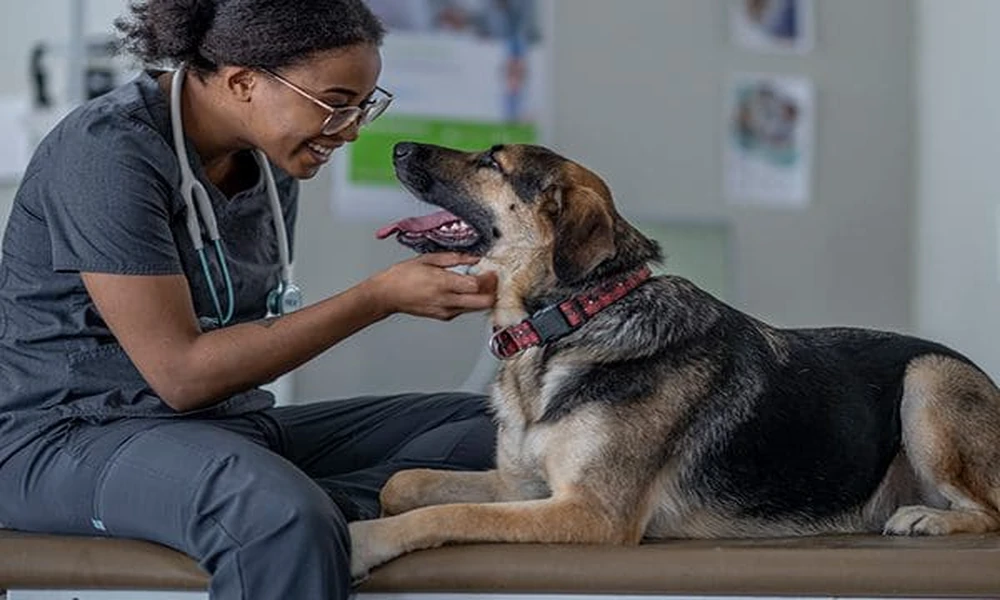
You know the look. Your dog starts shaking in the parking lot, or your cat goes stiff the second the carrier comes out, and by the time you reach the exam room, everyone is tense. At Royal Palm Veterinarian, you are trying to do the right thing, but the visit already feels like a battle. That stress is real, and it affects more than the mood of the appointment. It can change how pets breathe, move, eat treats, respond to touch, and even how accurate parts of the exam may be.
How Animal Hospitals Create Fear Free Environments For Pets comes down to one simple goal. Lower stress so pets feel safer and care becomes easier. A low stress veterinary clinic uses quiet spaces, gentle handling, better scheduling, and pet specific tools to reduce fear before it escalates. The result is often a smoother visit for your pet, for you, and for the veterinary team.
Fear changes the entire veterinary visit
A frightened pet is not being stubborn. Fear shows up in ways owners know well. Panting, hiding, growling, trembling, frozen posture, wide eyes, refusing treats, and sudden resistance all point to the same thing. The pet feels unsafe. Once that happens, even routine care like nail trims, temperature checks, blood draws, or listening to the heart can become difficult.
The problem gets worse when fear repeats. One bad visit can teach a pet that the hospital predicts restraint, pain, loud noises, and strange smells. Then the next visit starts at a higher stress level. You may find yourself dreading appointments too, especially if you have had to wrestle a large dog into the car or apologize while your cat lashes out in panic.
Animal hospitals that focus on fear reduction understand this cycle. They work to interrupt it early. That may start before you even arrive, with pre visit notes about your pet’s triggers, separate waiting options, or guidance on making veterinary visits less stressful for dogs. Small adjustments matter because stress builds fast.
Fear free animal care starts with the environment
The physical setup of the hospital has a direct effect on your pet’s nervous system. Bright lights, barking dogs, slippery floors, crowded lobbies, and rushed handling can push a pet from uneasy to overwhelmed. A calmer setting does the opposite. Many hospitals now use separate dog and cat spaces, non slip mats on exam tables and floors, softer voices, and fewer long waits in common areas.
Cats often do better when they can stay elevated, partly covered, and away from dogs. Dogs often do better when staff avoid looming over them, offer treats, and give them a moment to sniff and settle. For both species, the exam may happen where the pet is most comfortable, on the floor, on a lap, or inside part of the carrier if needed.
Handling style matters as much as the room itself. Low force restraint lowers panic. The veterinary team may pause the moment a pet shows escalating fear instead of pushing through. Ohio State’s guidance on implementing low stress handling in practice reflects this shift well. Gentle positioning, food rewards, and patience often get more done than firm restraint ever could.
Better timing and planning reduce stress before the exam begins
Many people assume fear free care only happens in the exam room. It starts much earlier. Appointment timing can make a huge difference. A nervous pet may do better during a quieter part of the day. A pet with a history of severe anxiety may benefit from a shorter visit plan, curbside check in, or medication before arrival if the veterinarian recommends it.
This planning helps with medical accuracy too. Stress can raise heart rate, blood pressure, and temperature. It can mask pain in some pets and magnify reactions in others. If your pet is too scared to be touched, the team may miss important information or need to stop and try again another day. That can cost more time and money, and it can delay care.
Texas A&M highlights how pets react to stressful situations, and that is exactly why preparation matters. The goal is not perfection. The goal is a visit your pet can tolerate without spiraling into panic.
Common differences between traditional visits and fear free veterinary care
| Visit Element | Traditional High Stress Approach | Fear Free Veterinary Care |
|---|---|---|
| Waiting room | Crowded lobby, longer exposure to noise and other animals | Quiet room, car wait option, species separation when possible |
| Handling | Firm restraint to finish quickly | Gentle handling, pauses, treats, lower force positioning |
| Exam location | Exam table for every pet | Floor, lap, carrier base, or table with non slip support |
| Staff pacing | Moves forward despite rising fear | Adjusts pace based on body language and stress signals |
| Future visits | Fear often builds over time | Positive experiences can improve later visits |
What you can do before your next animal hospital visit
Practice the routine at home. Leave the carrier out, reward your pet for going near it, and take short car rides that do not end at the clinic. Touch paws, ears, and shoulders gently while offering treats so your pet learns that handling does not always predict something unpleasant.
Tell the hospital what sets your pet off. If your dog fears strangers reaching over his head, say that. If your cat does better staying inside the carrier until the room is quiet, say that too. This helps the team shape the visit around your pet instead of using a one size fits all plan.
Ask about stress support in advance. Some pets need more than treats and a quiet room. Ask whether the hospital offers separate waiting options, longer appointment slots, or pre visit calming medication when appropriate. A good animal hospital will treat that question as part of good medicine, not as an inconvenience.
Calmer care helps pets get better care
Fear free visits are not about making the hospital feel fancy. They are about making care possible. When pets feel safer, exams are easier, procedures often go more smoothly, and future visits do not have to start with panic. That is the real value of a fear free vet environment. It protects your pet’s emotional well being while supporting better medical care.
If your pet struggles at appointments, you are not overreacting, and your pet is not being difficult. Ask your veterinary team how they reduce stress during visits and what changes they can make for your pet’s next appointment.
