

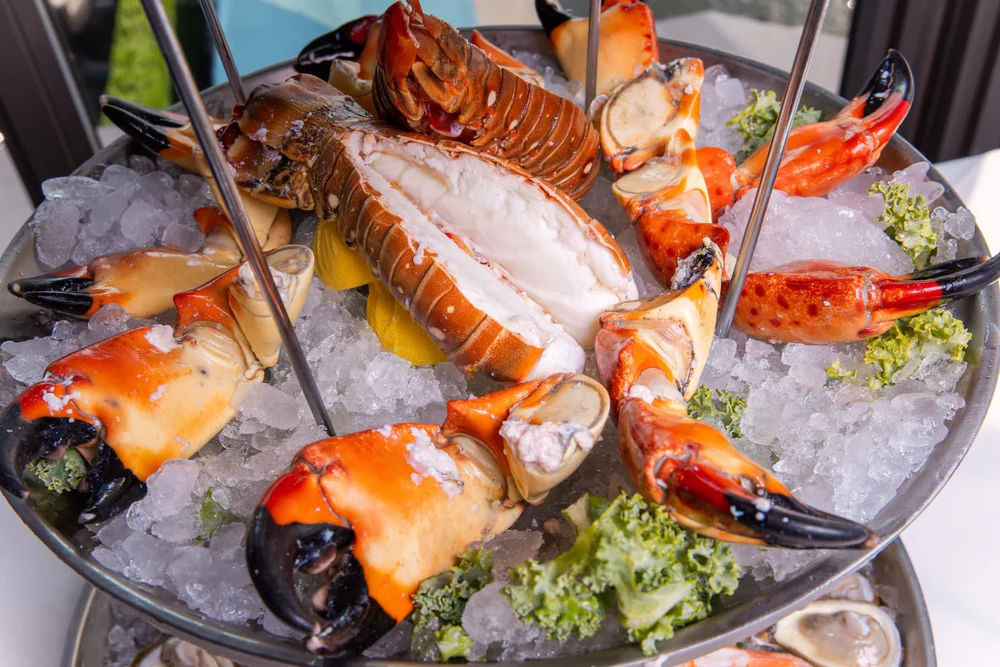
For the dedicated seafood enthusiast, few debates spark as much passion as the discussion surrounding two beloved crustaceans. These ocean delicacies share menu space but offer remarkably distinct tasting journeys. Discerning their unique profiles elevates dining from simple consumption to a true gustatory experience.
A fundamental comparison of lobster vs crab reveals key differences in texture, sweetness, and culinary application. Exploring these differences provides a roadmap for selecting the perfect centerpiece for any seafood-centered meal. The following examination will uncover the secrets behind their taste, ideal pairings, and how to enjoy each delicacy best.
The Essence of Sweetness and Briny Depths
Lobster meat typically presents a notably sweet and somewhat clean flavor profile. Its flesh carries a subtle, briny undertone reminiscent of the sea air. The texture is firm yet tender, offering a satisfying bite that holds up well to rich sauces.
This sweetness makes the meat a versatile partner for simple and complex preparations. Chefs highlight its natural taste with minimal seasoning, like melted butter or lemon. Its delicate flavor can become overshadowed by excessively heavy or spicy accompaniments.
Decode the Rich and Nutty Character of Crab
Crab delivers a flavor that is distinctly richer and more robust than its counterpart. The taste possesses a pronounced nutty and slightly earthy quality that many find deeply satisfying. Its sweetness is more understated, mingling seamlessly with its inherent saline notes.
The texture varies by species but generally offers a delightful flakiness or delicate shreds. This complex flavor profile allows it to shine in dishes where spices and bold seasonings are welcome. The meat integrates beautifully into mixtures, absorbing and complementing other ingredients without losing its identity.
Environmental Influences on Taste Development
The habitat and diet of each creature play crucial roles in shaping their final taste. Lobsters, dwellers of colder, rocky ocean floors, develop their firm texture and clean sweetness over a longer growth period. Their diet of fresh fish and small marine organisms contributes to their refined flavor.
Crabs inhabit diverse environments, from sandy bottoms to muddy estuaries, which can influence their brininess. What these crustaceans consume, including algae and smaller shellfish, directly impacts their richer, more complex taste. This intrinsic connection to their environment makes each harvest a unique reflection of its origin.
Preferred Cooking Techniques for Each Crustacean
Optimal preparation methods differ to best accentuate their inherent qualities. Lobster benefits greatly from techniques that preserve its moisture and delicate sweetness, such as steaming or gentle poaching. Grilling a split lobster adds a desirable smoky dimension that complements its natural flavor.
Crab undergoes steaming with generous amounts of seasoning directly in the pot. Its robust character stands up to more aggressive methods like boiling with bold spice blends, as seen in classic crab boils. Picking the meat for use in salads, cakes, or dips remains a quintessential way to enjoy its flaky texture.
Harmonize Flavors with Ideal Pairings
Selecting complementary sides and sauces enhances the core experience of each seafood. Lobster’s sweetness calls for creamy, buttery, or mildly citrus-based accompaniments that add richness without conflict. Drawn butter, fresh parsley, and a touch of garlic remain timeless companions for its tender meat.
Crab’s bolder personality welcomes sharper contrasts and vibrant flavors. It pairs excellently with tangy mustard sauces, spicy mayonnaise, or acidic vinaigrettes. Ingredients like avocado, corn, and Old Bay seasoning create harmonious balances with their nutty, rich notes.
An appreciation for the distinct virtues of each crustacean allows for more informed and enjoyable dining decisions. The enduring debate of lobster vs crab ultimately comes down to a matter of personal preference for sweetness versus richness. Exploring these magnificent creatures provides a delicious education in the diversity of the ocean’s bounty.
