

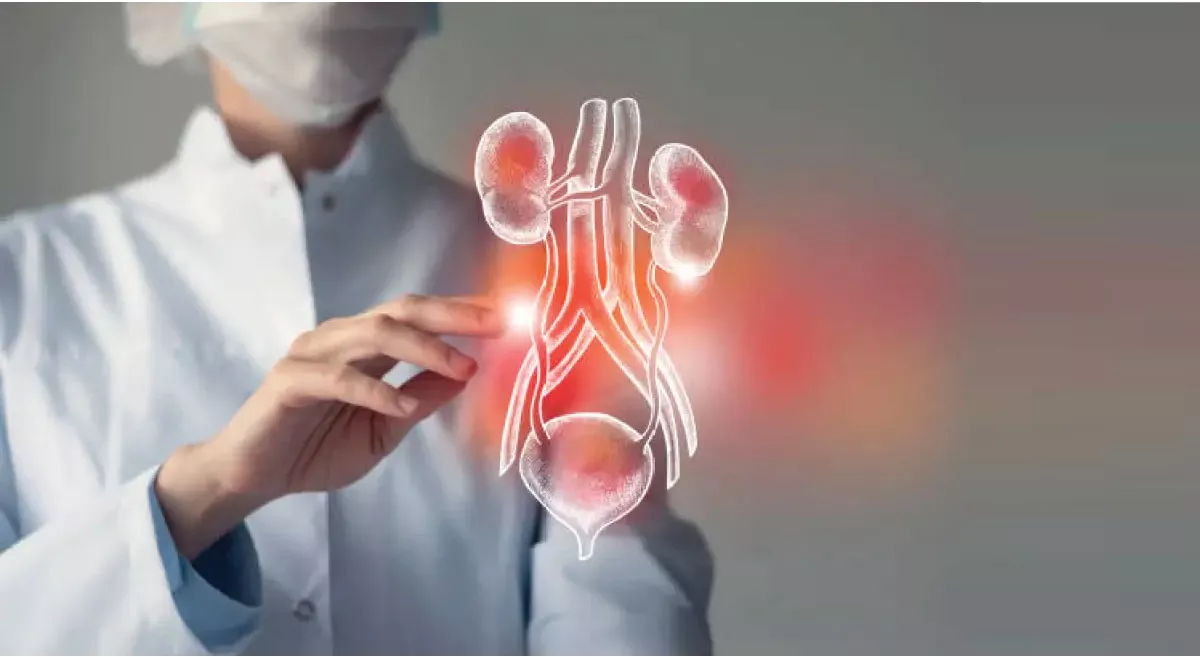
Urology has advanced dramatically over the past two decades, shifting from traditional surgical procedures to highly refined, minimally invasive techniques. For men dealing with urinary issues, enlarged prostate symptoms, sexual health concerns, or chronic discomfort, this evolution has been life-changing. Minimally invasive urology combines precision, faster recovery, and improved outcomes—and it is now considered the gold standard for many conditions previously treated with lengthy surgeries. Clinics continue to lead the way in bringing these modern techniques to patients seeking effective, discreet, and results-focused care.
What Minimally Invasive Urology Really Means
Minimally invasive urology involves advanced procedures performed through small incisions or even natural pathways using endoscopes, lasers, and robotic systems. The goal is simple: treat the condition without unnecessary trauma to surrounding tissues. Unlike traditional open surgeries, these procedures often require only local anesthesia, produce minimal scarring, and significantly reduce postoperative pain.
For patients, this translates to a far easier experience—less time in the hospital, faster return to normal activities, and lower risk of complications. It is an approach particularly beneficial for men in demanding careers, active lifestyles, or those who are simply reluctant to undergo major surgery.
Common Conditions Treated With Minimally Invasive Techniques
Many urological issues are ideal for minimally invasive treatment. Some of the most common include:
1. Benign Prostatic Hyperplasia (BPH)
An enlarged prostate can cause frequent urination, weak flow, nighttime bathroom trips, and retention issues. Modern BPH treatments include:
- UroLift
- Rezum water vapor therapy
- Laser prostate therapy (HoLEP or GreenLight)
These procedures target excess prostate tissue without affecting sexual function for most patients—an important advantage compared to older surgical methods.
2. Erectile Dysfunction (ED)
Minimally invasive solutions for ED range from shockwave therapy, which stimulates natural blood vessel formation, to penile implants when conservative methods fail. The precision and customization available today allow men to achieve outcomes that feel natural and perform reliably.
3. Kidney Stones
Small stones can be treated with non-invasive shockwave lithotripsy, while larger stones may be managed with ureteroscopy or laser lithotripsy. These methods break stones into tiny fragments that pass naturally, eliminating the need for major surgery.
4. Prostate and Bladder Issues
Diagnostic tools such as cystoscopy, MRI-fusion biopsies, and robotic interventions allow physicians to evaluate and treat complex issues with far greater accuracy than ever before.
Benefits That Matter to Today’s Patients
Men dealing with urological symptoms often delay seeking help due to embarrassment, fear of surgery, or concerns about downtime. Minimally invasive treatments address these hesitations directly.
Quicker Recovery
Most patients return to normal routines within days rather than weeks. Some procedures can even be performed during a lunch break.
Reduced Pain and Scarring
Tiny incisions—or sometimes none at all—mean significantly less discomfort and almost no visible evidence of the procedure.
High Success Rates
Modern technologies are designed to preserve sexual function, reduce recurrence, and deliver long-term relief.
Lower Risk of Complications
With less trauma to the body, patients experience fewer infections, less bleeding, and fewer postoperative issues.
Why Men Shouldn’t Ignore Urological Symptoms
Many men assume urinary issues are just part of aging, or they hope symptoms will resolve on their own. Unfortunately, delaying care often leads to worsening conditions. BPH, for instance, can lead to bladder damage if untreated. Erectile dysfunction can be an early warning sign of cardiovascular disease. Chronic pelvic pain may indicate infection or inflammation requiring attention.
Early evaluation is simple, private, and extremely effective. With today’s minimally invasive tools, many problems can be handled far more easily than patients expect.
A Personalized Approach Matters
Even with advanced technology, the best outcomes still depend on individualized care. Every man’s anatomy, lifestyle, and goals are unique. A procedure that is perfect for one patient may not be right for another. Experienced urology specialists use imaging, testing, and patient discussions to design treatment plans tailored specifically to each case.
This level of personalization gives patients confidence and ensures they get the solution that aligns with their priorities—whether that means maintaining sexual function, minimizing downtime, or ensuring long-term disease prevention.
Finding a Trusted Provider
Because urology covers deeply personal aspects of health, choosing the right provider is essential. Patients deserve a clinic that blends compassion, privacy, medical expertise, and cutting-edge technology. That’s why many men seeking minimally invasive solutions turn to trusted specialists like Lazare Urology for comprehensive, modern, and patient-centered care.
Conclusion
Minimally invasive urology represents a remarkable advancement in men’s health. It offers effective treatment, rapid recovery, and renewed quality of life for patients with a wide range of conditions. Whether the concern is urinary symptoms, kidney stones, ED, or prostate issues, today’s solutions are more comfortable and accessible than ever.
