

You do not plan for a chipped tooth during lunch, a filling that falls out before bed, or gum pain that starts as a dull ache and turns into something you cannot ignore. Minor dental emergencies have a way of hijacking your day fast. The stress is not just the pain. It is also the uncertainty. Do you wait, rinse, take something for pain, or call a West Chester dentist right away?
Most of the time, a general dentist can handle these problems quickly and safely. How general dentists manage minor dental emergencies usually comes down to three things. They control pain, protect the tooth or gums from getting worse, and decide whether you need same day care, short term monitoring, or referral for more advanced treatment. That matters because a problem that looks small in the mirror can still turn into an infection, a cracked tooth, or a much bigger bill if it sits too long.
General dentists treat common urgent dental problems before they grow
A minor dental emergency does not always look dramatic. It may be a broken filling, a chipped edge on a front tooth, mild swelling, a loose crown, a toothache that keeps you awake, or bleeding after you bite your cheek and it does not settle down. These are the kinds of issues a general dentist sees every day.
The first step is usually triage. The office asks what happened, when it started, how much pain you have, whether there is swelling, fever, bleeding, or trouble swallowing. That short conversation helps the team sort out what can wait a day and what needs attention now. If your symptoms suggest a more serious infection or facial trauma, you may be told to seek emergency medical care instead of waiting for a dental visit. MedlinePlus outlines warning signs that need prompt attention in its guide to dental emergencies.
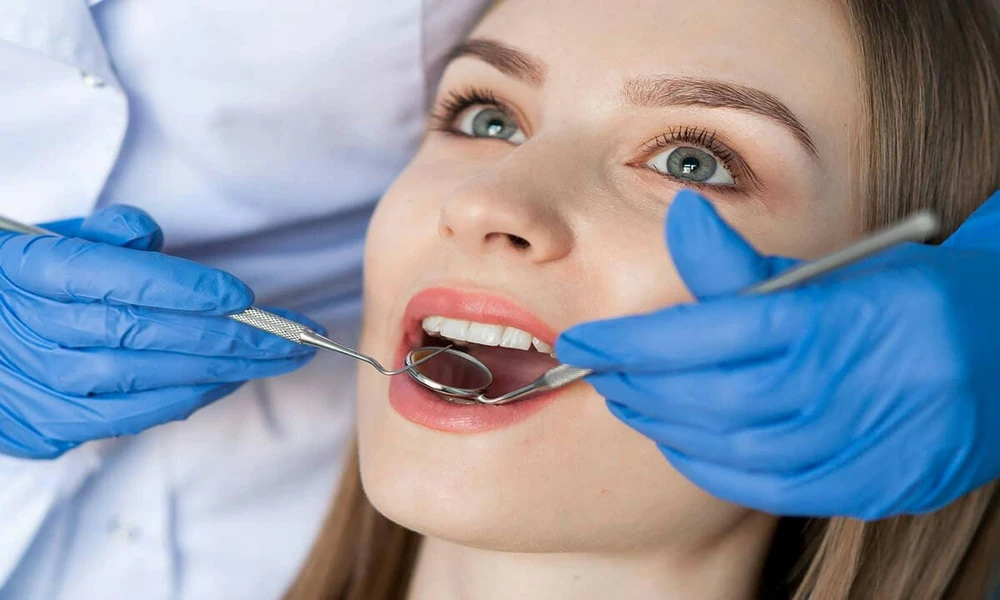
Once you are in the chair, the dentist checks the tooth, gums, bite, and nearby tissues. X rays may be needed if the pain does not match what is visible, or if there is concern about a crack, root problem, or infection under the surface. The goal is not to overcomplicate things. It is to find the source of the problem before treating the symptom alone.
That distinction matters. A loose crown may only need to be cleaned and re-cemented if the tooth underneath is healthy. The same loose crown with decay under it may need a different fix. A sharp chipped tooth may just need smoothing or bonding. A chipped tooth with nerve exposure is no longer minor, even if the piece that broke off looks small.
Minor dental emergency care often focuses on pain control and tooth protection
People often assume emergency care means a full repair on the spot. Sometimes it does. Often it starts with stabilization. A general dentist may place a temporary filling, smooth a rough edge, reattach or protect a restoration, drain a localized gum issue, prescribe medication when appropriate, or adjust your bite so a sore tooth gets relief.
This is where minor dental emergency care becomes practical rather than dramatic. If a filling falls out, the exposed area can become sensitive to air, cold, and pressure. If a dentist seals that space early, you avoid days of pain and lower the chance of deeper decay or fracture. If your gums are swollen around a tooth, cleaning the area and addressing the cause may stop a larger infection from taking hold.
You might be tempted to wait if the pain comes and goes. That is common, especially when work, childcare, or cost gets in the way. The problem is that dental pain is not always linear. It can ease off even while the issue worsens. The University of Iowa College of Dentistry offers practical first aid guidance for dealing with dental emergencies, including what to do before you are seen.
Home care can help for a few hours, but it does not replace a general dentist
There is a difference between first aid and treatment. Rinsing with warm salt water, using a cold compress on the outside of the cheek, and taking over the counter pain medicine as directed can help you get through the next few hours. Those steps do not repair a crack, stop decay under a crown, or remove the cause of swelling.
| Situation | What you can do at home | What a general dentist does | Risk of waiting |
|---|---|---|---|
| Lost filling | Keep the area clean, avoid chewing there | Place a temporary or permanent restoration | Sensitivity, fracture, deeper decay |
| Chipped tooth | Rinse mouth, save pieces if found, avoid hard foods | Smooth, bond, or restore the tooth | Sharp edges, nerve exposure, worsening crack |
| Loose crown | Store crown safely, keep tooth clean | Re-cement or replace after checking the tooth | Tooth movement, decay, breakage |
| Toothache with mild swelling | Cold compress, pain relief as directed | Examine, image, treat source, prescribe if needed | Spreading infection, severe pain |
Emergency instructions from UAB Dentistry explain what to expect during emergency dental care, including the reality that treatment may begin with getting you comfortable and stable before any long term repair is planned.
Urgent dental care works best when you act early
Urgent dental care through a general dentist is often the fastest way to stop a small problem from becoming a painful one. Early care can mean the difference between a simple bonding procedure and a root canal, or between re-cementing a crown and losing enough tooth structure that a new restoration becomes much harder.
There is also the emotional side of this. Dental pain can make you short tempered, tired, and distracted. If the problem is visible, like a chipped front tooth, it can make you self conscious on top of everything else. Minor emergencies are still disruptive, and they deserve attention before they start running your schedule.
Three steps to take right away when a minor dental emergency happens
1. Control the immediate problem. Rinse gently with warm water, use a cold compress for swelling, and avoid chewing on the painful side. If a crown, filling, or tooth piece comes out, save it if you can.
2. Watch for signs the problem is no longer minor. Fever, growing swelling, pus, uncontrolled bleeding, severe trauma, or trouble breathing or swallowing need urgent medical or dental attention right away.
3. Call a general dentist as soon as possible. Be clear about when it started, what the pain feels like, whether there is swelling, and whether anything broke or fell out. That helps the office schedule you appropriately and give useful instructions before you arrive.
Prompt dental care protects your comfort and your teeth
When something feels off in your mouth, you usually know it. Even if you are not sure whether it counts as an emergency, it is worth getting guidance early. General dentists are trained to sort through these situations, calm things down, and protect your teeth before the damage spreads. If you are dealing with pain, a broken restoration, swelling, or a chipped tooth, reach out to a general dentist and get it checked before it turns into something harder to fix.
