

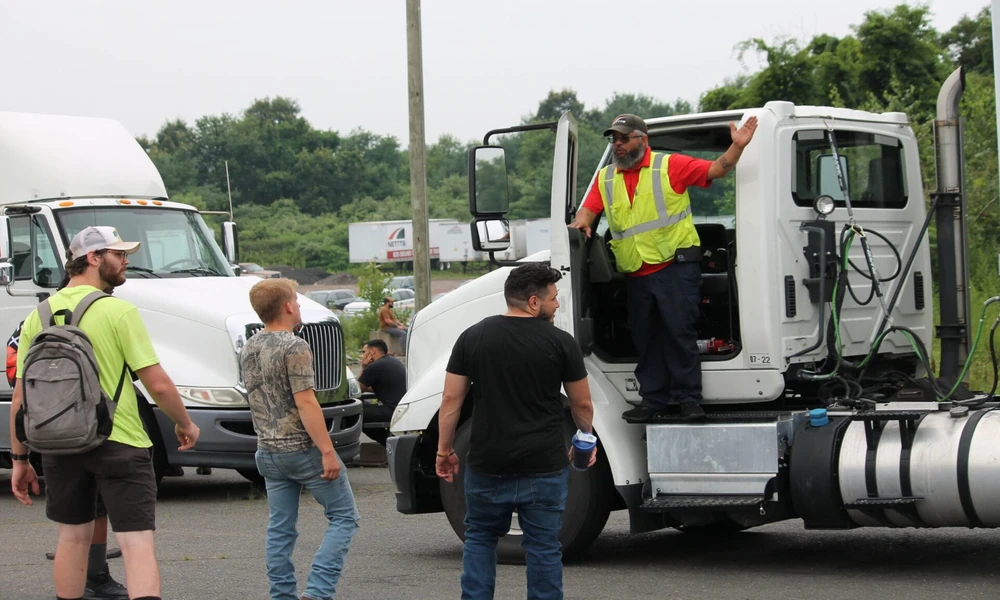
Nothing replaces the jolt of adrenaline when a student first takes the wheel of a big rig. For aspiring commercial drivers, the gap between passing a written exam and confidently managing a 40-ton machine in live traffic is immense. This is why hands-on truck driving practice sits at the core of every reputable CDL training program, it transforms abstract rules into muscle memory and genuine competence.
The Role of Hands-On Practice in CDL Training Programs
Defining Hands-On Truck Driving Practice
Hands-on practice refers to the actual operation of commercial vehicles under an instructor’s supervision, both on closed ranges and public roads. It’s the difference between reading about gear shifts and feeling the engine rumble beneath your feet as you guide a truck through a tight turn.
Classroom vs. Behind-the-Wheel Training
While classroom instruction lays out the legal, mechanical, and safety concepts, only real-world driving cements these lessons. Classroom time typically covers federal regulations, logbook management, and route planning. But in the cab, students grapple with blind spots, shifting loads, and unpredictable traffic.
Why Practical Experience Matters for New Drivers
For someone who has never driven a rig before, practical training is non-negotiable. It’s the only way to learn subtle skills: gauging brake pressure on steep downgrades, correcting trailer sway, or smoothly backing between two loading docks. High-quality programs prioritize behind-the-wheel time precisely because these moments forge professional habits and confidence.
Comparing Types of Hands-On Training Approaches
Range-Based Training: Controlled Environment Benefits
Enclosed practice ranges let students build foundational skills without the pressure of live traffic. Here, mistakes are teaching moments, not public safety emergencies. Pre-trip inspections, straight-line backing, and shifting drills are safer and less intimidating on a dedicated lot.
On-the-Road Training: Real-World Driving Challenges
Once core techniques are stable, nothing substitutes for city streets and highways. On-the-road sessions build adaptability: students handle merging, turns at busy intersections, and variable weather. Each drive is a new test, full of unscripted hazards and learning opportunities.
Simulator Training: Technology’s Role and Limitations
Simulators offer value for basic familiarity and emergency drills (think tire blowouts or icy roads), but they cannot mimic the sensory feedback, stress, or unpredictability of true driving. Simulators serve best when paired with substantial real-world training rather than as a standalone method.
Impact of Hands-On Practice on Skill Development
Mastering Pre-Trip Inspections Through Practice
Inspecting a truck for safety violations is more than a checklist, students must know where to look, what to listen for, and how to spot trouble before it costs time or safety. Repetition on actual vehicles sharpens this instinct.
Enhancing Backing and Maneuvering Skills
Many accidents happen not on the road, but in yards or at docks. Backing up a trailer requires spatial awareness and precise control, skills that develop only through repetition. Hands-on training gives countless opportunities to refine these maneuvers.
Building Confidence and Reaction Time in Live Traffic
Navigating rush hour, unpredictable drivers, or unexpected lane closures is daunting. Each real-life encounter in training chips away at anxiety, helping new drivers respond quickly and safely rather than freeze or panic.
Hands-On Practice in Different CDL Program Formats
CDL programs are not one-size-fits-all. From accelerated courses to weekend programs, quality hands-on training adapts to diverse needs.
Intensive Short-Term Courses vs. Extended Training Programs
A three-week intensive may immerse students in daily practice, ideal for those eager to transition quickly. Extended programs allow for deeper repetition and accommodate slower-paced learners.
Weekend Classes and Flexible Scheduling for Adults
Programs such as those at DTR School of Trucking Las Vegas offer weekend schedules for adults balancing work or family. This flexibility ensures more people can access vital hands-on experience without upending their lives.
Refresher Courses: Tailoring Practice for Experienced Drivers
Former drivers returning to the field can focus on specific skills, whether rusty backing or adapting to updated regulations. Hands-on refreshers rebuild confidence in a focused, time-efficient way.
Measuring Success: How Does Hands-On Practice Affect Test Outcomes?
Road Test Readiness and Passing Rates
Students with more actual driving experience tend to pass road tests on their first try. Practice not only perfects technique but also reduces test-day anxiety.
Reducing DMV Wait Times Through On-Site Testing
Some schools, including DTR, offer on-site testing, allowing students to test in familiar vehicles and avoid lengthy DMV queues, often getting them on the road weeks faster.
Employer Perspectives: Readiness for the Job Market
Employers value graduates who can demonstrate proficiency from day one. Strong hands-on training signals to hiring managers that a driver will need less time shadowing or retraining.
Challenges and Considerations in Implementing Hands-On Training
Balancing safety with immersive practice, having enough qualified instructors, and tailoring lessons for mixed-experience groups are ongoing hurdles. Schools must regularly update fleets and curricula to meet evolving regulations and diverse student needs.
Future Trends in Hands-On CDL Training
Emerging tech, such as app-based scheduling and evolving simulators, promises more flexible, personalized learning. Integrating online theory with maximized road time ensures that as the industry modernizes, driver training remains both rigorous and accessible.
Choosing the Right CDL Program: What Should You Look for in Hands-On Training?
Quality facilities, late-model trucks, and certified instructors make a difference. Look for programs offering robust support services and job placement help. The goal is not just passing a test, but launching a safe, successful driving career.
For anyone considering a path behind the wheel, hands-on practice isn’t a bonus, it’s the bridge to competence, confidence, and long-term success.
