

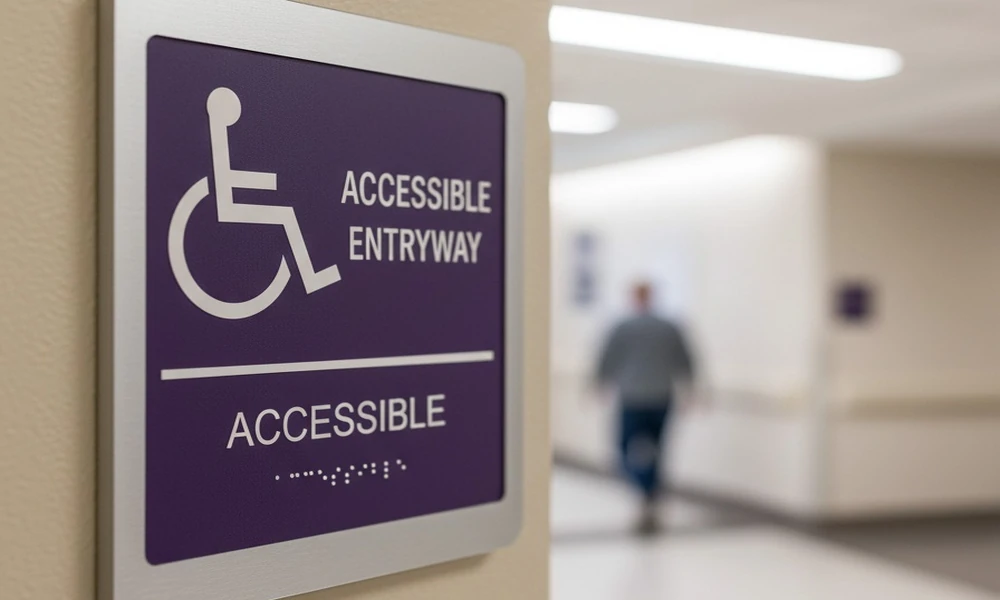
Custom architectural signage has quietly transformed the way our homes present themselves to the world. What might seem like a simple address plaque or mailbox actually signals something deeper about the people who live inside and their approach to design, identity, and even sustainability. Let’s clear away some of the persistent myths about custom signage and discover how these small details can powerfully shape residential spaces.
Myth 1: Custom Architectural Signage Is Just Decorative
Custom signage does more than look good. In residential neighborhoods, clear and well-placed signs serve essential functions that go far beyond aesthetics.
The Functional Role of Signage in Residential Spaces
Think about the last time you tried to find a friend’s home at night or needed emergency responders to arrive quickly. The house number suddenly becomes a critical element. Good signage, designed with visibility and wayfinding principles in mind, makes homes easier to locate for guests, deliveries, and emergency services. This is where design and functionality blend, quietly improving everyday life.
How Design and Visibility Enhance Wayfinding and Safety
A well-designed sign uses font, size, color, and contrast to maximize legibility from the street. Choosing materials that reduce glare and resist fading ensures visibility stays high for years. These are not just matters of taste but important public safety considerations.
Myth 2: All House Numbers Serve the Same Purpose
If all you see is a row of identical, mass-produced numbers, you might think their purpose is universal. In reality, the choices made in signage ripple through a home’s entire curb appeal.
The Impact of Style, Size, and Material on Curb Appeal
A bold, modern font in brushed metal sends a very different message from hand-painted ceramic tiles. Materials like corten steel, wood, or acrylic can harmonize with architectural styles and landscaping, enhancing a home’s first impression. Whether it’s sleek minimalism or classic charm, the right combination draws the eye and sets the tone.
Customization as a Reflection of Personal Identity
Homeowners are increasingly using custom signage as a way to express individuality. A unique house number announces not just where you live, but who you are. It’s a subtle nod to creativity and pride of ownership.
Myth 3: Custom Signs Are Not Durable or Sustainable
Durability is a key concern, especially in climates with harsh winters or blazing summers. Many assume “custom” means fragile, but the opposite can be true.
Choosing High-Quality, Weather-Resistant Materials
Companies like Orthografica use sustainably sourced, high-grade materials that withstand the elements. Powder-coated aluminum, stainless steel, and UV-resistant surfaces mean that custom designs can look pristine for decades.
The Importance of Longevity and Environmental Responsibility
Sustainable production methods and a focus on longevity reduce waste. Long-lasting signage minimizes the need for replacements, saving resources in the long term and aligning with environmentally conscious living.
Myth 4: Designing a Custom Sign Is Complicated and Time-Consuming
Some homeowners worry that custom means complex. In reality, the process is often streamlined and collaborative.
How Collaborative Design Processes Simplify Customization
Reputable makers guide clients through material choices, design tweaks, and prototypes. Feedback is encouraged at each step, demystifying the process and ensuring no surprise outcomes.
Typical Timelines: From Concept to Installation
For most custom signage, the entire journey from initial idea to finished product takes just a few weeks, not months. Quick proposals, digital previews, and precise manufacturing eliminate the guesswork and long waits.
Myth 5: Custom Signage Is Only for Large or Expensive Homes
It’s easy to imagine custom signage as a luxury reserved for mansions or high-end new builds. The reality is more inclusive.
Affordable Options for Every Budget and Style
Customization doesn’t always mean high cost. Modular materials, standardized sizes, and efficient production allow for price points that work for modest homes as well as grand estates. Many companies offer a spectrum of choices, making personalization accessible to more homeowners.
Enhancing Small or Modest Residences with Unique Signage
A thoughtfully designed sign can give even a compact bungalow a sense of distinction. The attention to detail signals care and pride, regardless of square footage.
Myth 6: Architectural Signage Has No Impact on Property Value
Overlooked details often have an outsize influence during property transactions.
The Role of Signage in First Impressions and Marketability
Prospective buyers notice a home long before they step inside. Crisp, well-designed signage can be the difference between blending in and standing out on a block of similar houses. Real estate agents often highlight updated signs as part of a home’s value proposition.
Case Studies Linking Custom Signage to Increased Home Appeal
A Montreal real estate agency found that homes with modern, custom address numbers sold, on average, 10 percent faster than nearby properties with standard signs. These details become part of a home’s narrative and memory.
Myth 7: Custom Signs Are Limited to Address Numbers
Think beyond numbers. Architectural signage can encompass a range of elements that add both utility and beauty.
Expanding Beyond Numbers: Mailboxes, Logos, and Wayfinding
From mailboxes to entry plaques and subtle wayfinding aids, custom signage can tie together landscaping, architecture, and even family branding. Businesses and creative homeowners alike are exploring new ways to use these forms to communicate identity.
Integrating Signage with Broader Architectural and Branding Elements
When signage is designed as part of the overall structure, it feels natural and cohesive, never tacked on as an afterthought. Materials, style, and placement come together to create harmony between home, street, and environment.
Custom architectural signage is not an afterthought. It’s a small investment that pays dividends in identity, safety, sustainability, and value. The next time you walk past a home with striking, thoughtfully crafted numbers or a beautifully designed mailbox, remember: these details don’t just decorate spaces, they define them.
