

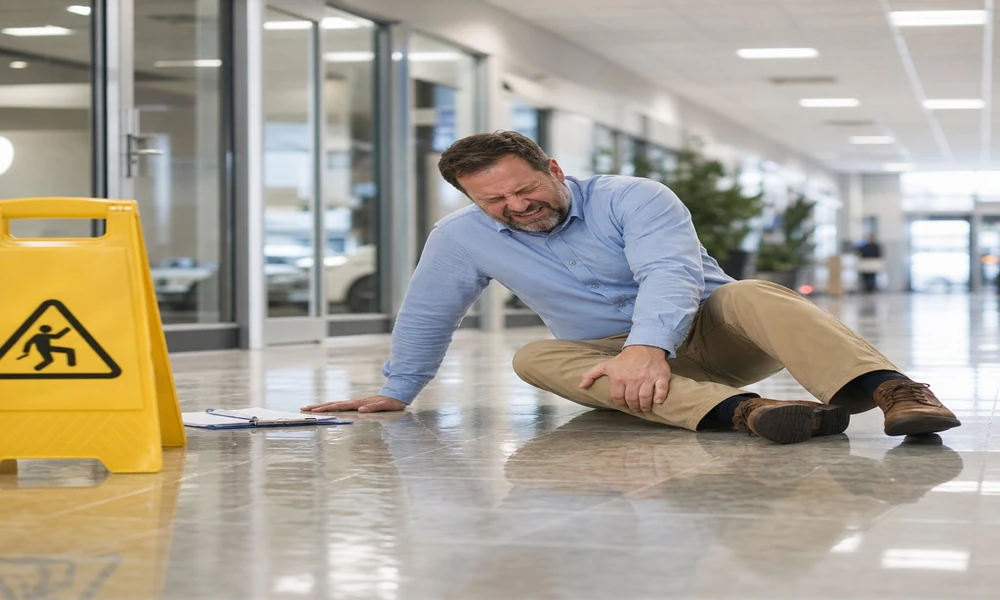
A person slips on a sheet of ice near the storefront they just exited. Someone living in a complex steps off a flight of stairs and goes down on ice that has accumulated at the base. Someone walking on the city sidewalk slips and falls before the city has a chance to come and scrape the ice. In Elgin, winter weather creates a situation where a fall on a slick surface can occur, and the evidence that a dangerous condition existed can disappear as well.
Obviously, your health is the primary concern after a fall on ice. But there are certain actions you can take immediately after a fall which may help document the source of the hazardous condition, the length of time it existed, and whether any remedial action was taken to address it.
Things That Could Disappear Within Minutes
Ice conditions will change, especially in an area with heavy foot traffic. Ice will break apart or melt away if salt is applied (go right here), and it will disappear as temperatures rise. A business owner or manager might take action to remove the ice as soon as he or she learns that someone fell on the premises.
Get some photos, and if possible, a short video recording, of the area immediately after the fall. Get pictures of the ice itself, and then back away and capture the general surroundings, including the doorways, steps, parking lot, gutter spout, lighting, signs, and pavement. Take pictures of any wet shoes, ripped clothing, or other physical damage.
Inform the property owner or manager about the fall. Describe what happened and ask for an incident report. Do not speculate as to who is at fault or the severity of any injuries.
Things That Could Be Gone in Hours
Witnesses may move along without sharing their contact information. Ask people who saw the fall or who had noticed the dangerous area prior to the fall for their names and phone numbers. Write down what they say, to distinguish recollections of what they saw at the time versus recollections they formulate at a later date.
Write down the details as soon as possible. Details to record include:
- The time of day and the specific location of the fall
- The weather and lighting conditions
- How the ice looked and how big the patch was
- Whether salt, barricades, or signs were present
- Any comments made by employees, tenants, or maintenance personnel
Things That Could Be Gone in Days
A video camera’s footage can get deleted over time. Video might show you falling, attempts to clear the area in the past, or how long the area went unaddressed. Requesting a copy of the footage quickly might be necessary to make sure that footage isn’t destroyed.
Records of snow removal may be important as well. Records of maintenance, inspection reports, complaints, contractors, and salt applications may show what happened before and after the incident. Such records are typically held by the property owner or someone else responsible for the site, and so it might be necessary to request access via a legal process.
Record your ongoing bruises, swelling, difficulty walking, and other injuries to property. Keep all your medical bills, receipts, time-off work documentation, and doctor’s orders in one file, instead of trying to recreate the collection months later.
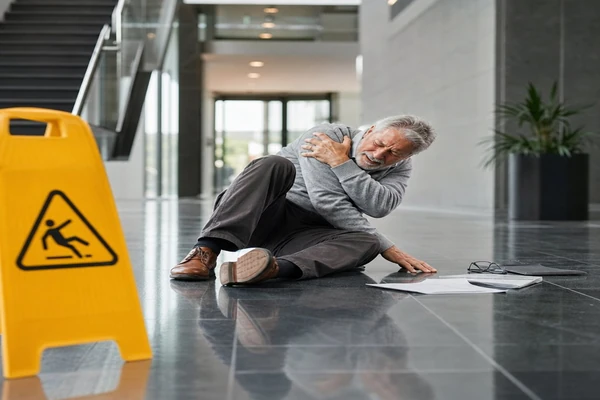
Organized medical bills, receipts, and injury documentation
When It Might Help to Consult an Attorney
Think about consulting with Elgin slip and fall injury help if you need medical attention, if liability is disputed, if evidence is in someone else’s hands, or if an insurance company requests a recorded statement. Claims arising from incidents involving apartment complexes, businesses, snow plow contractors, or government property may involve different questions about liability and notice obligations.
Attorneys can help you figure out who is liable, send preservation-of-evidence letters, go through available records, and keep track of the statute of limitations. These things can be particularly helpful when the full extent of the harm caused by your accident, especially head injuries, broken bones, and sprains, may not be apparent until later.
Make Sure Your Evidence Is Saved While You Still Have It
A slick surface changes quickly, before your body even begins to ache. Get proper medical treatment, photograph the site, gather witness information, inform the property owner, and preserve documentation. Taking these steps won’t determine who is responsible, but it will help ensure that when the ice melts, you still have the best evidence available.
Instead of washing or re-wearing them, leave the shoes on and snap pictures of their bottoms, including the treads, wear and dirt.
Keep the shoes in a safe place and document the location of the drain as well; it’s possible that the water is freezing back up after flowing down the slope, which might be a maintenance issue.
