

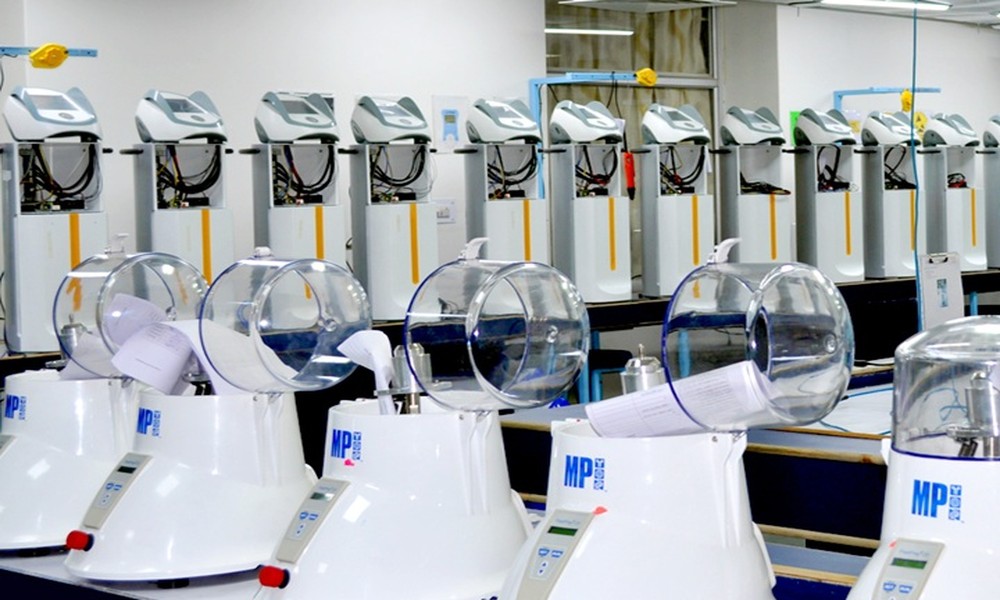
Selecting an ISO 13485 contract manufacturer is one of the most consequential decisions a medical device company faces when outsourcing production to an external partner. The certification signals that a manufacturer operates a quality management system (QMS) designed to meet regulatory requirements for medical devices across global markets, from the United States to the European Union and throughout the Asia-Pacific region.
Understanding ISO 13485 Certification
ISO 13485 is the international standard that specifies requirements for a quality management system where an organisation needs to demonstrate its ability to provide medical devices and related services that consistently meet customer and regulatory requirements. Unlike ISO 9001, which applies broadly across industries, ISO 13485 addresses the specific demands of medical device design, development, production, and distribution.
Core Requirements of the Standard
The standard covers the full product lifecycle from initial concept to post-market surveillance. Design and development controls ensure that device specifications translate into manufacturable, safe products. Purchasing controls verify that suppliers provide conforming raw materials and components. Production controls require validated processes, documented work instructions, and environmental management procedures.
Key clauses that directly affect contract manufacturing relationships include:
- Clause 4.1 on outsourced processes, requiring the certified organisation to maintain control and oversight of external suppliers
- Clause 7.4 on purchasing, mandating supplier evaluation, selection criteria, and incoming inspection procedures
- Clause 7.5 on production and service provision, covering process validation, cleanroom controls, and traceability systems
- Clause 8.2 on monitoring and measurement, requiring documented procedures for in-process and final inspection activities
Differences From ISO 9001
While ISO 9001 focuses on customer satisfaction and continual improvement, ISO 13485 prioritises regulatory compliance and risk management throughout the product lifecycle. The medical device standard requires a risk-based approach to process controls, mandates design and development procedures, and demands full traceability from raw material to finished device. Companies seeking an ISO 13485 contract manufacturer should verify that the certification scope covers the specific processes relevant to their device type.
Evaluating a Contract Manufacturing Partner
Due diligence extends well beyond checking a certificate hanging on a conference room wall. A thorough evaluation examines the manufacturer’s quality system maturity, regulatory track record, technical capabilities, and organisational culture around compliance and continuous improvement.
Audit and Assessment Criteria
Prospective customers should conduct on-site audits that examine objective evidence of system effectiveness. Review corrective and preventive action (CAPA) records to gauge how the manufacturer identifies root causes and implements lasting fixes. Examine management review meeting minutes for evidence that leadership actively engages with quality data and allocates resources to address system gaps.
Training records reveal whether operators hold current qualifications for their assigned processes. Calibration records for measurement equipment confirm that inspection data is reliable and traceable. Document control systems should demonstrate version management, change history, and controlled distribution of current revision documents.
“Singapore’s certified medical device contract manufacturing ecosystem benefits from a regulatory environment that encourages high standards while supporting innovation and growth,” said Dr Beh Swan Gin, Chairman of the Singapore Economic Development Board.
Regulatory Alignment and Market Access
An ISO 13485 certification provides the quality system foundation for regulatory submissions in multiple jurisdictions. The FDA recognises ISO 13485 as a framework that aligns with 21 CFR Part 820, though additional requirements specific to the US market may apply. The EU Medical Device Regulation (MDR) references ISO 13485 as a harmonised standard that supports conformity assessment.
Health Canada, Australia’s Therapeutic Goods Administration (TGA), and Japan’s Pharmaceuticals and Medical Devices Agency (PMDA) each accept ISO 13485 certification as evidence of quality system compliance. This global recognition makes the standard essential for manufacturers serving international markets across multiple regulatory jurisdictions.
Risk Management Integration
ISO 13485 requires manufacturers to apply risk-based thinking throughout their quality system. ISO 14971 provides the framework for identifying hazards, estimating risk, and implementing appropriate controls. An ISO 13485 contract manufacturer integrates these risk management activities into design, production, and post-market processes.
Failure mode and effects analysis (FMEA) evaluates potential process failures and ranks them by severity, occurrence, and detection capability. High-priority risks receive targeted controls such as additional inspection steps, tighter process parameters, or design modifications that eliminate the hazard source entirely.
Supply Chain and Traceability Controls
Medical device traceability requires lot-level tracking from incoming raw material through finished device distribution. Manufacturers maintain device history records (DHRs) that link each production lot to specific material certificates, process parameters, operator identifications, and inspection results.
Supplier management programmes evaluate and monitor critical material suppliers through periodic audits, incoming inspection data analysis, and performance scorecards. Approved supplier lists restrict purchasing to qualified sources, reducing variability in incoming materials and protecting final device quality.
Building a Productive Partnership
The relationship between a device company and its contract manufacturer functions best when both parties share clear expectations, open communication channels, and aligned quality objectives. Defined escalation procedures for non-conformances, change notifications, and capacity planning discussions prevent surprises that delay product launches or compromise compliance.
Regular business reviews track key performance indicators including on-time delivery, first-pass yield, CAPA closure rates, and customer complaint trends. These metrics provide objective evidence of partnership health and highlight areas requiring joint improvement efforts. Choosing an ISO 13485 contract manufacturer with strong systems, transparent processes, and proven regulatory expertise forms the foundation for safe, compliant medical device production that reaches patients worldwide.
