
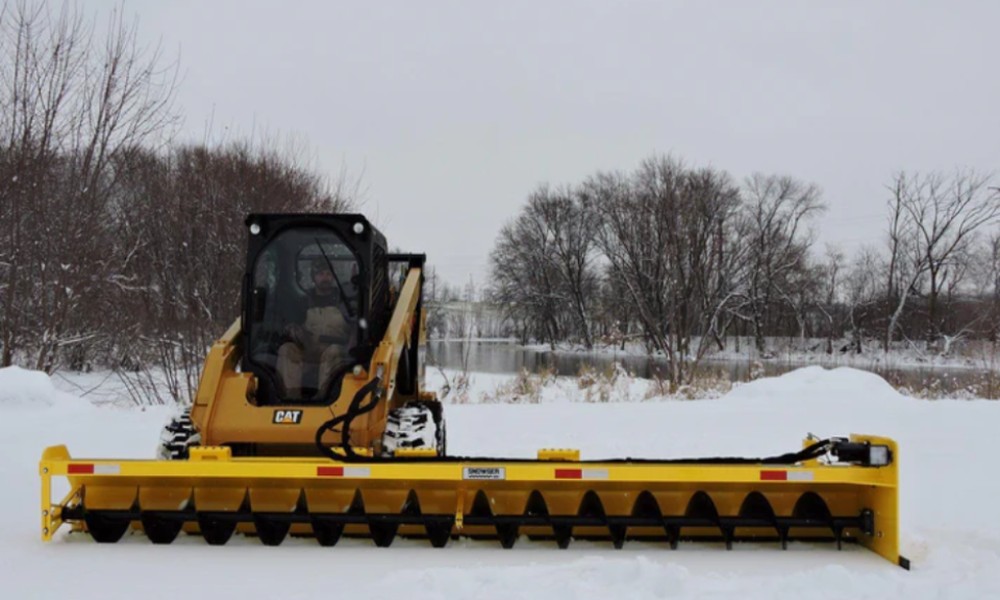

Operating heavy machinery during winter requires extreme caution and skill. The freezing temperatures create treacherous surfaces for every operator. You must prepare the machine for these harsh environments before starting. Snow removal becomes difficult when ice hides under the white powder. Visibility often drops to zero during heavy storms or night shifts. This guide explains the best ways to stay safe on the job.
Preparing Your Machine for the Storm
You must verify that all lights work perfectly. Skid Steers Direct provides high quality attachments built for these exact conditions. The electrical connections need protection from salt and melting snow. Sometimes the heater fails at the worst possible moment. You should test the cabin climate control before leaving the shop. A warm operator stays focused and reacts much faster to danger. Proper maintenance prevents costly breakdowns during a major blizzard.
Navigating Icy Surfaces with Precision
Icy ground reduces traction and increases your stopping distance significantly. You must drive slowly to maintain control of the skid steer snow plow. Quick movements cause the machine to slide out of control. But the weight of the unit helps press the tires down. You should avoid sudden turns on steep or slanted driveways. Sometimes the ice hides beneath a thin layer of fresh snow. Skid Steers Direct offers durable plows that handle these hidden obstacles well. The blade should stay low to the ground for better balance.
Managing Low Visibility During Heavy Snow
Blind spots become much larger when snow cakes the windows. You must keep the glass clear of frost and debris. The wipers should be in excellent condition for every shift. Now you can use extra LED work lights for better clarity. Whiteout conditions make it hard to see curbs or parked cars.
Essential Techniques for Safe Plowing
The angle of the blade changes how the machine handles. You should push the snow toward the designated storage areas. But the wind might blow the snow back into your path. You must avoid stacking snow near entrances or fire hydrants. Proper technique protects the pavement and the equipment from damage. Skid Steers Direct supplies various blade widths for different types of jobs.
You should lift the plow slightly when crossing uneven transitions. This practice prevents the blade from catching on raised concrete edges. Now you can move large piles without straining the hydraulic system. Steady pressure works better than hitting the snow with speed.
Communication and Safety Protocols
Working alone in a storm carries many different risks. You should always carry a charged phone or a radio. Tell someone your exact location and your expected return time. The freezing air can drain battery life very quickly indeed. You must wear high visibility clothing whenever you exit the cab. Skid Steers Direct values the safety of every machine operator.

Comments are closed.