

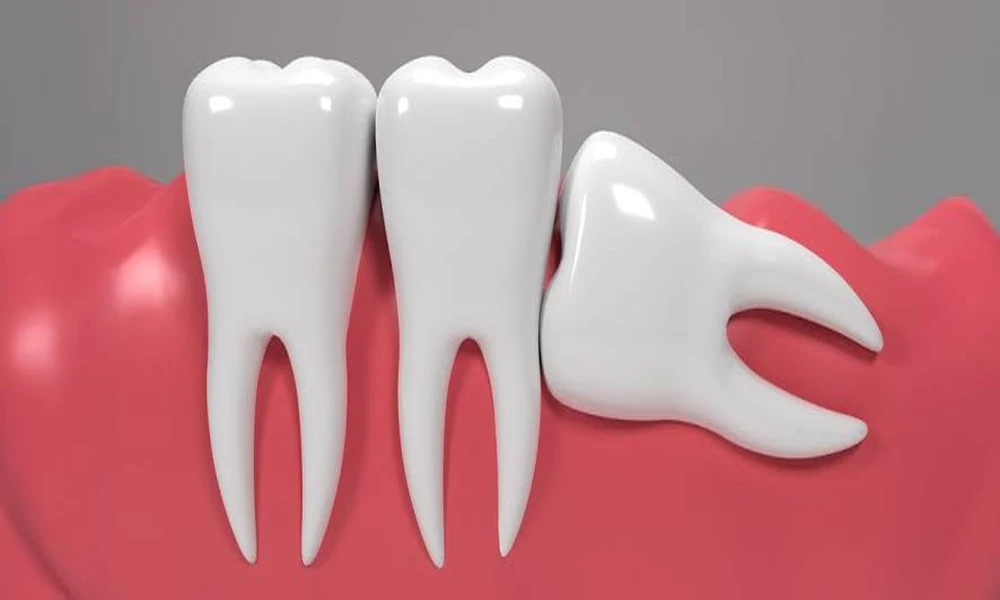
Wisdom teeth, also called third molars, are the last set of teeth to develop, typically emerging between ages 17 and 25. Understanding when wisdom teeth removal in San Antonio becomes necessary helps patients make informed decisions about their oral health and treatment timing. Not every wisdom tooth requires removal. Some teeth erupt fully, remain pain-free, stay cavity-free, and pose no problems throughout a person’s life. However, understanding the warning signs that indicate extraction may be needed gives patients the knowledge to recognize complications early and seek appropriate care.
Why Wisdom Teeth Cause Problems
The fundamental issue is often simple: insufficient space. An average mouth comfortably holds 28 teeth. When wisdom teeth attempt to emerge, they add four more teeth to a space that was originally sized for only 28, creating crowding in many cases. This crowding can trigger several complications that signal extraction becomes necessary.
When wisdom teeth don’t have adequate room to emerge properly, they become impacted (trapped beneath the gum line or in the jawbone). Partially erupted wisdom teeth create gaps where food particles and bacteria accumulate, leading to pericoronitis, a localized gum infection that causes tenderness, swelling, and recurring pain. Unlike antibiotics, which may temporarily control infection, removing the offending tooth addresses the underlying problem directly and prevents recurrence.
Additionally, impacted teeth can develop cysts that expand over time or damage neighboring molars. A wisdom tooth angled forward may press against the adjacent second molar, causing bone loss along its roots or decay on surfaces that are particularly difficult to keep clean. Understanding these potential complications helps explain why removal is often recommended.
When Extraction Is Recommended
According to ADA guidance on wisdom teeth, extraction becomes appropriate when evidence shows specific changes in the mouth: pain, infection, cysts, tumors, damage to neighboring teeth, gum disease, or decay that cannot be restored. Your dentist will examine your mouth and take X-rays to assess your individual situation comprehensively.
Not every wisdom tooth falls into this removal category. Teeth that erupt fully, remain pain-free, are cavity-free, maintain good hygiene, and show no signs of disease may be monitored rather than removed. Regular X-rays and dental visits allow your dentist to track any changes over time and determine if monitoring or treatment is appropriate for your specific needs and circumstances.
Age Matters for Extraction Timing
The timing of removal significantly affects surgical complexity and recovery duration. In younger patients, wisdom tooth roots are often shorter and surrounding jawbone is softer, making extraction technically easier and recovery typically faster. Delaying removal into the thirties tends to increase surgical difficulty and is associated with higher complication rates overall.
Research demonstrates that younger patients generally experience faster healing and fewer adverse outcomes. This consideration applies whether you’re evaluating extraction now or planning for the future. Your dentist can discuss whether your age and individual circumstances suggest treatment now or monitoring with possible future removal if problems develop later. Some patients choose preventive extraction while young to avoid potential complications. Others prefer monitoring and treatment only if symptoms emerge.
The Role of Clinical Assessment
Your dentist will examine your mouth, assess your medical history, take diagnostic X-rays, and discuss your symptoms before recommending any action. Together, you can develop a treatment plan based on your specific anatomy, overall health, and personal preferences. This collaborative approach ensures your decision reflects both clinical evidence and your individual priorities.
Even wisdom teeth that remain in place require ongoing monitoring through professional cleanings, annual checkups, and periodic X-rays, since the potential for problems later in life remains possible. Being aware of your wisdom teeth’s status puts you in control of decisions affecting your long-term oral health and quality of life.
