

Key Takeaways
DIY log home repairs often result in incomplete jobs and rising costs, primarily due to insufficient specialized knowledge in handling log structures.
Opting for professional log home repairs can lead to substantial long-term savings while preventing future damage through meticulous maintenance techniques.
The typical log home repair process begins with a comprehensive initial inspection, which is followed by documenting the damage, developing a strategy, executing the repairs, and finishing with a final inspection to ensure quality standards.
Expert techniques in log home repair include advanced moisture meters that uncover hidden issues, and specialized treatments that guard against decay and pests.
When businesses hire log home professionals, evaluating their experience, seeking references, and confirming certifications can lead to superior repair outcomes.
Certified specialists bring up-to-date knowledge of preservation techniques, contributing to the longevity and visual appeal of log homes.
Successful repairs frequently result in a marked increase in market value and levels of homeowner satisfaction, highlighting the advantages of professional assistance.
Uncovering the Hidden Benefits of Professional Log Home Repair
Why DIY Isn’t Always the Best Option for Log Homes
Homeowners often drift towards DIY log home repair, tempted by the possibility of saving on labor and seizing control. However, log home repair necessitates specialized knowledge. Insufficient expertise can leave repairs unfinished, leading to bigger problems down the line. Professionals grasp the complexities involved in maintaining these distinctive structures. Log homes function differently than traditional houses. Damage isn’t merely about mending rot; it requires understanding the wood grain and the dynamics between logs, moisture, and air.
DIY attempts can morph into costly repairs that overshadow initial savings. For instance, an improperly executed repair might seem economical, yet the risk of future damage could double-sometimes even triple-what homeowners initially invested.
Long-Term Cost Savings: The Expert Perspective
Investing in professional log home repair generally translates to important long-term savings. Experts don’t just fix visible issues; they focus on maintaining the overall health of the structure. Quality restoration can significantly prolong the life of the home. Professionals employ advanced techniques that prevent problems before they arise, including robust weatherproofing, effective sealing, and superior treatments to repel pests.
Clients who embrace proper maintenance and professional help often see a notable uptick in property value. An expertly restored log home transforms into a coveted asset, reflecting genuine care and significant investment.
The Process of Log Home Restoration: What to Expect When Experts Arrive
Step-by-Step Walkthrough of a Typical Repair Job
This is typically what unfolds when professionals embark on log home repair:
- Initial Inspection: A thorough assessment is conducted, capturing both visible and hidden damage.
- Damage Documentation: All findings are meticulously recorded, outlining the extent of deterioration and necessary repairs.
- Repair Strategy Development: Experts devise a tailored restoration plan, detailing the steps and materials required.
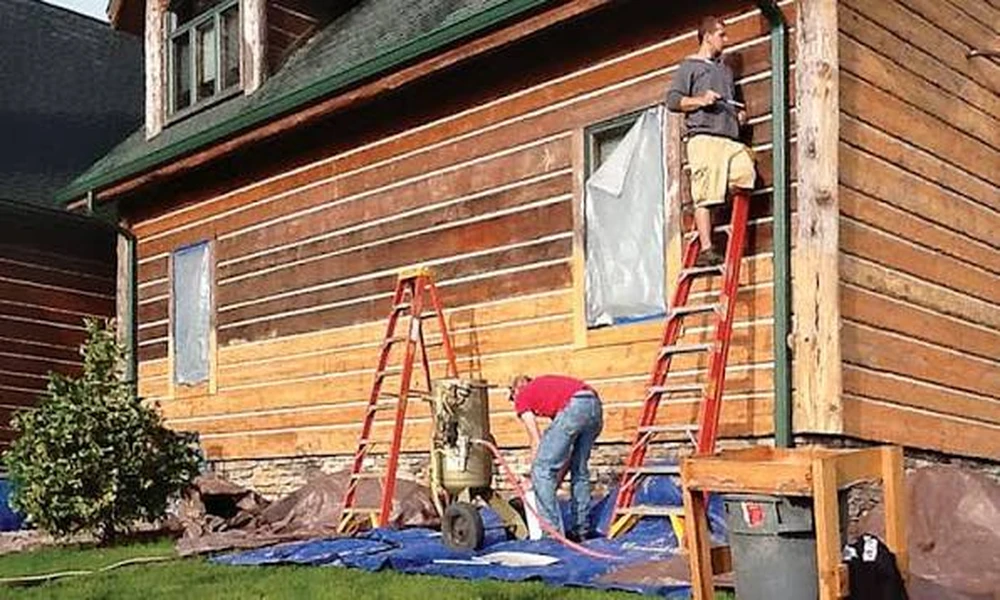
- Restoration Execution: Actual repair work commences, often involving log replacement, securing loose logs, and applying protective treatments.
- Final Inspection: A second inspection is carried out post-repairs to ensure all details meet quality expectations.
Understanding this process can ease any uncertainties homeowners may have. Thus, when professionals arrive, they’re equipped with a comprehensive strategy that covers every detail.
Expert Techniques That Make a Difference in Restoration Quality
High-quality log home repairs rely on specialized techniques that seasoned professionals employ. For instance, experts may use advanced moisture meters to identify hidden wet spots, a vital step in preventing mold issues.
Only trained artisans can fully grasp the significance of wood treatments that deter insects and decay. Utilizing specialized sealants also plays a key role in shielding logs from environmental elements, like UV rays and rain. Notably, approaching preservation proactively rather than reactively is essential-it’s all about ensuring longevity.
“Expertly restoring a log home isn’t just about aesthetics; it’s about preserving history and ensuring structural integrity.”
Choosing the Right Specialists: What Sets Experts Apart in Log Home Repair
Questions to Ask Before Hiring Log Home Professionals
Choosing the right specialists can appear overwhelming, but posing the right questions can simplify decisions. Consider these critical points:
- Experience: How many years have they been in the log home repair industry? Those with significant experience often spot problems more quickly.
- Previous Work Samples: Requesting photos or references of past projects can showcase the quality of their restorations.
- Certifications: Are they certified specialists? Proper certifications indicate compliance with industry standards.
These inquiries can profoundly influence the selection process. Being well-informed leads to exceptional outcomes.
Understanding Certifications and Experience: Why They Matter
Why should certifications be significant in log home repair? It’s straightforward. Certifications usually reflect a level of training and expertise that non-specialized contractors may lack. They suggest that practitioners stay abreast of innovations in materials and methods. Experience is not solely about the time spent; it also encompasses the diversity of challenges tackled over the years.
Collaborating with certified professionals grants access to the latest advancements in preservation techniques and repair methods. When specialists handle log homes, their impact on durability and aesthetics cannot be understated.
Real-Life Transformations: Case Studies of Successful Log Home Repairs
Before and After: The Impact of Expert Intervention
Transforming log homes can be remarkable, especially with professional assistance. Consider a cabin that suffered extensive water damage. After experts performed a comprehensive assessment and executed repairs, they replaced harmed logs, treated existing structures, and boosted the home’s insulation.
Upon completion of the work, the owners experienced enhanced comfort and a significant increase in their home’s market value. The fresh, clean appearance and the longevity assured through expert intervention made a striking difference.
Testimonials from Satisfied Clients: Their Experience With Quality Restoration
Insights from pleased clients illuminate the profound changes that professional repairs can instigate. Many express surprise at the extent of deterioration they were initially unaware of until professionals assessed the situation.
One homeowner conveyed their appreciation for the seamless communication with the expert team, highlighting the peace of mind derived from the assurance that everything was under control. Clients frequently report that placing trust in experts led to outcomes surpassing all expectations.
“The restoration process was smooth and powerful. Our log home feels like new again!”
With reflections anchored in the experiences of countless satisfied clients, it’s clear that investing in expert log home repairs yields remarkable structural and emotional benefits.
FAQ
How can homeowners maintain their log homes between professional repairs?
Regular inspections can help homeowners catch early signs of trouble, such as cracks or moisture issues. Simple tasks like resealing, cleaning gutters, and ensuring proper drainage can stave off serious damage.
What specific materials do professionals typically use in log home repairs?
Experts often utilize specialized sealants, wood treatments, and high-quality replacement logs-all tailored to tackle moisture and pest challenges. Brands with established reputations in the log home market may also be recommended for the best outcomes.
Is it possible to upgrade a log home during repairs?
Absolutely. Many professionals integrate modern enhancements, like energy-efficient insulation or contemporary finishes, into the repair process. This approach not only refreshes the aesthetics but also boosts energy efficiency.
What signs indicate a log home needs immediate professional attention?
Visible rot, significant cracks, and unexplained moisture accumulation are urgent red flags. If log finishes are peeling or fading, it clearly signals the need for expert intervention to avert further decline.
How long does the log home repair process generally take?
The timeline varies based on the damage’s extent. Minor repairs may wrap up in a few days, but thorough restorations could take weeks. Experts typically provide an estimated timeframe during the initial inspection.
Can log home repairs improve energy efficiency?
Yes, professional repairs often enhance insulation and sealing, which directly contributes to improved energy efficiency. Well-maintained homes generally retain heat more effectively, leading to reduced energy costs for homeowners.
Are there preventative measures to consider after repairs?
Indeed. Following repairs, homeowners should consider regular maintenance, such as annual inspections and resealing treatments. Establishing a maintenance schedule can dramatically extend both the life of the repairs and the home itself.
What questions should homeowners consider when setting a budget for log home repairs?
Homeowners ought to think about the extent of necessary repairs, the materials to be used, and the expertise needed. Including potential future maintenance costs in their budget also proves wise for ensuring long-term value.
Useful Resources
- Woodworking Network – Provides resources, articles, and insights related to wood preservation and maintenance.
- National Association of Home Builders – Offers a wealth of information on home construction, including log homes.
- LogHome.com – A dedicated resource for log home enthusiasts, featuring articles on maintenance, construction, and repairs.
- The Log Home Builder – Offers guides and tips on building, restoring, and maintaining log homes.
- American Wood Protection Association – Provides guidelines and resources on wood treatments and protection methods.
- The Wood Database – Delivers detailed information on different wood types, including their properties and construction uses.
- International Wood Products Association – A resource for sustainable forestry and wood products information.
- HomeAdvisor – A platform to connect with vetted contractors for log home repairs, alongside tips and articles on home maintenance.
