

Designing an outdoor kitchen starts as a fun idea. You imagine laughter, food sizzling, long evenings outside. Then the practical side shows up. Where should it sit? How will it cope with the weather? Will it still feel comfortable after the excitement wears off?
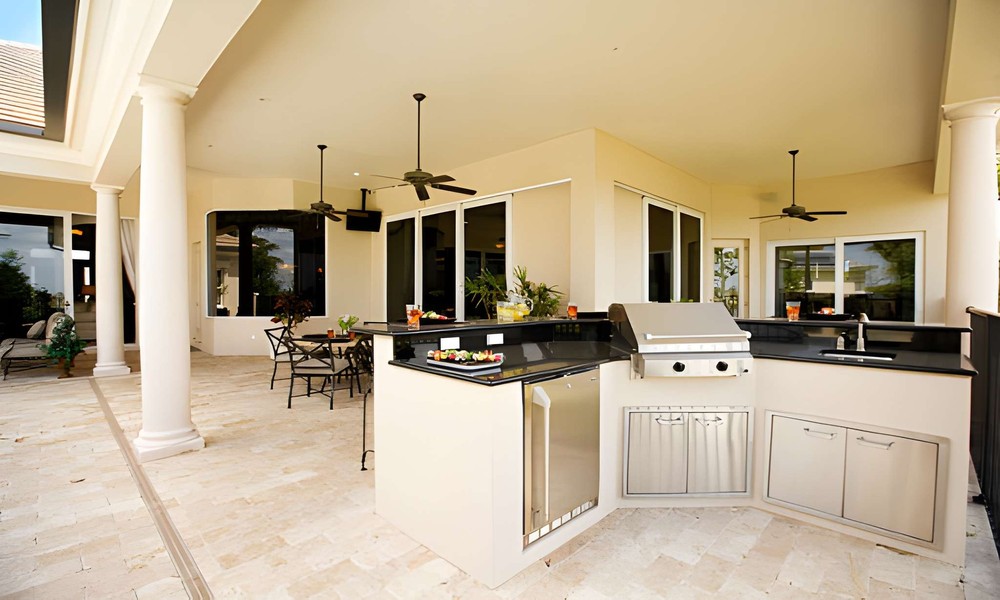
The design provides the answers to these questions at an early stage. When you see pictures such as the Whistler Cirencester outdoor kitchens, which are displayed on the webpage of BBQs2u, you will realize how space, materials, and design are combined in a manner that makes sense, not aesthetically. These kitchens are attractive, yes, and what is more, they are functional.
Choose the Right Spot First
Location affects everything that follows.
- A place with some wind protection works best
- Natural shade during hot afternoons helps a lot
- Keep a sensible distance from the indoor kitchen
- Leave sufficient open space for seating and movement
A slightly sheltered corner often feels more comfortable than an exposed patio.
Think in Zones, Not Items
Instead of placing appliances randomly, plan clear working zones.
- Prep area close to the cooking space
- Serving or resting area away from heat
- Storage within easy reach
- Seating that does not block your path
When zones are clear, cooking feels smooth and organised.
Select Materials That Handle Weather Calmly
Outdoor kitchens go through sun, rain, dust, and spills. Materials should cope without constant care.
- Stainless steel for durability and easy cleaning
- Strong countertops that resist stains and heat
- Cabinets that do not swell or misalign
- Flooring that stays safe when wet
You want surfaces that age well without drawing attention to themselves.
Plan Storage Early
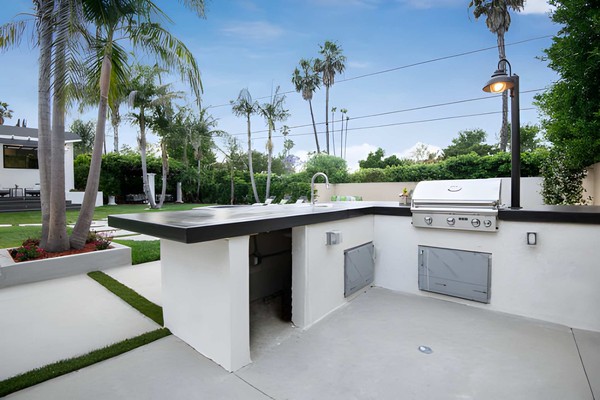
Storage often gets overlooked. Later, clutter slowly appears on countertops.
Consider:
- Drawers for tools and utensils
- Closed cabinets for larger items
- Space for cleaning supplies and waste bins
Good storage keeps the kitchen looking neat with very little effort.
Add Comfort with Lighting and Shade
You will use the space more in the evening than you expect.
- Soft lighting near cooking and prep zones
- Gentle lighting around seating areas
- Shade or cover where you stand most
Comfort is what makes the kitchen feel inviting, not just functional.
Let It Feel Like Part of the Home
The outdoor kitchen should not feel separate from the house.
- Match colours and materials where possible
- Keep the design simple and clean
- Avoid overly decorative elements that date quickly
When everything flows visually, the space feels intentional.
Keep Essentials Within Reach
Having cooling close by changes how the space works. The Whistler Cirencester fridge shows how built-in refrigeration keeps drinks and ingredients nearby. You do not have to make frequent visits outside, and holding parties is less stressful and more natural.
Final Thoughts
An outdoor kitchen is a well-designed enhancement that enhances your enjoyment of your garden in a quieter manner. When the space is considered in terms of location, layout, materials, storage, and comfort, it becomes easy to use on a daily basis. With time, you eventually cease noticing the design and just have fun being there.
