


Some children need extra support during their early developmental years. These programs are designed to help children who struggle in traditional classroom settings. With the right care and teaching methods, they can flourish in a more specialized environment. Let’s explore who will thrive in an early intervention preschool setting.
Signs That a Child May Benefit from Specialized Learning
Children who show delays or challenges in speech, motor skills, or social interactions may benefit from a special education preschool. These programs are designed to meet the unique needs of children who struggle in general education settings. Early childhood is a crucial time for developmental milestones, and kids who have difficulty with communication or social skills may benefit from a more structured environment.
Children who may have sensory processing issues, developmental delays, or mild behavioral challenges can often thrive in these settings. In some cases, children with autism spectrum disorder (ASD) or other developmental disabilities may benefit from specialized support. These programs allow for tailored educational strategies, which help address each child’s needs more effectively.
The Role of Individualized Support in Development
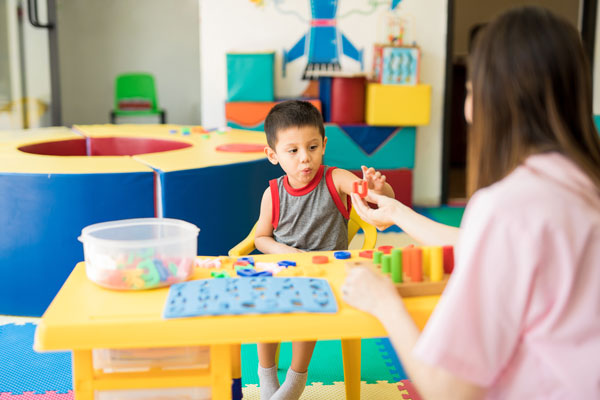
Teachers and specialists work closely with each child to ensure that their specific needs are met. With smaller class sizes, children receive more one-on-one attention, making it easier for educators to spot strengths and areas that need improvement. This level of care helps create a positive learning environment where children feel supported and understood.
Moreover, early intervention programs use tailored teaching techniques, such as visual aids, hands-on learning, and sensory-based activities. These approaches help children engage with the material in ways that suit their learning style. Children in such settings are given the tools to thrive academically, emotionally, and socially.
Benefits of a Premium School for Special Attention
Choosing a premium school for special education ensures that children receive high-quality, personalized education from trained professionals. Premium schools often employ experienced staff members who specialize in various learning disabilities and developmental challenges. This means that every aspect of the child’s education is thoughtfully planned and executed.
These schools often have advanced resources, including speech therapists, occupational therapists, and behavioral specialists who work in tandem with teachers. With such specialized resources, a child’s progress is regularly monitored, and adjustments are made to the curriculum to ensure they are always on the right developmental path. For families seeking the best care and attention, a premium early intervention preschool offers an invaluable opportunity for growth.
Fostering Social and Emotional Skills
For many children, especially those who struggle with social interactions or communication, learning how to connect with others can be a challenge. These programs emphasize social development through group activities, cooperative games, and structured playtime, which teach children how to share, take turns, and express emotions.
Teachers use a variety of strategies to promote emotional regulation and self-awareness. This includes role-playing, calming exercises, and guided interactions. Over time, these skills help children feel more confident in social situations, which will benefit them as they transition into traditional educational environments.
Parental Involvement and Support
Regular communication between the school and home ensures that the child’s needs are being met and that strategies used at school are reinforced at home. This partnership is key to a child’s success and development. Parents are often encouraged to participate in school activities and to stay informed about their child’s learning journey. The support and guidance from the school, paired with active parental involvement, help create a strong foundation for the child’s long-term success.
Special education preschool provides a nurturing environment for children who need extra support in their early learning years. These programs offer personalized attention and resources that help children who face challenges in traditional settings. The right program helps them develop skills and confidence while offering valuable emotional support.
